
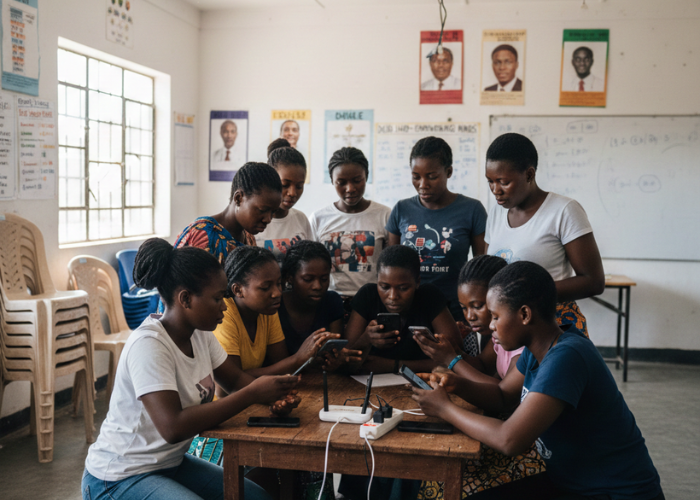
Access to the internet is essential today. Yet, for millions of Africans, the cost of connectivity remains a major barrier. Data prices in many parts of the continent are still high. As a result, digital inclusion lags behind global levels.
Affordable and reliable internet is not just a convenience—it is a necessity. It supports education, economic growth, health access, and civic participation. However, when data is expensive, many people cannot go online regularly. This slows social and economic development.
High Data Costs Reduce Access
In urban areas with strong infrastructure, internet speeds are faster and prices are lower. But in rural and underserved regions, connectivity can be slow and costly. This creates a digital divide between urban and rural communities.
For families with low incomes, spending money on data often means sacrificing other essentials. In some countries, a few gigabytes of data cost more than basic household needs. Therefore, many people limit their internet use or avoid it altogether.
Impact on Education and Opportunity
Students need affordable internet for online learning. Without it, they risk falling behind. During school closures or distance learning periods, many learners were left offline due to high data costs.
Moreover, job seekers and entrepreneurs rely on online tools. When data is expensive, access to job platforms, business networks, and essential information is restricted.
Why Prices Remain High
Several factors keep data prices high. These include limited competition, weak infrastructure, and high operational costs for service providers. Additionally, taxes and fees on telecom services can increase the final price for consumers.
Moving Toward Digital Inclusion
To bridge the connectivity gap, governments, carriers, and advocates must work together. Policies that reduce data costs and improve infrastructure are critical. Subsidies, competition, and innovative delivery models can drive change.
✊Take Action for Digital Equality: Join Miss.Africa Community in advocating for fair data prices and better access for all Africans. Together, we can build a more connected and inclusive digital future.
Subscribe to get latest blog updates!